Comparing a Battery-Integrated Charger with Separate Charger and BESS Packages
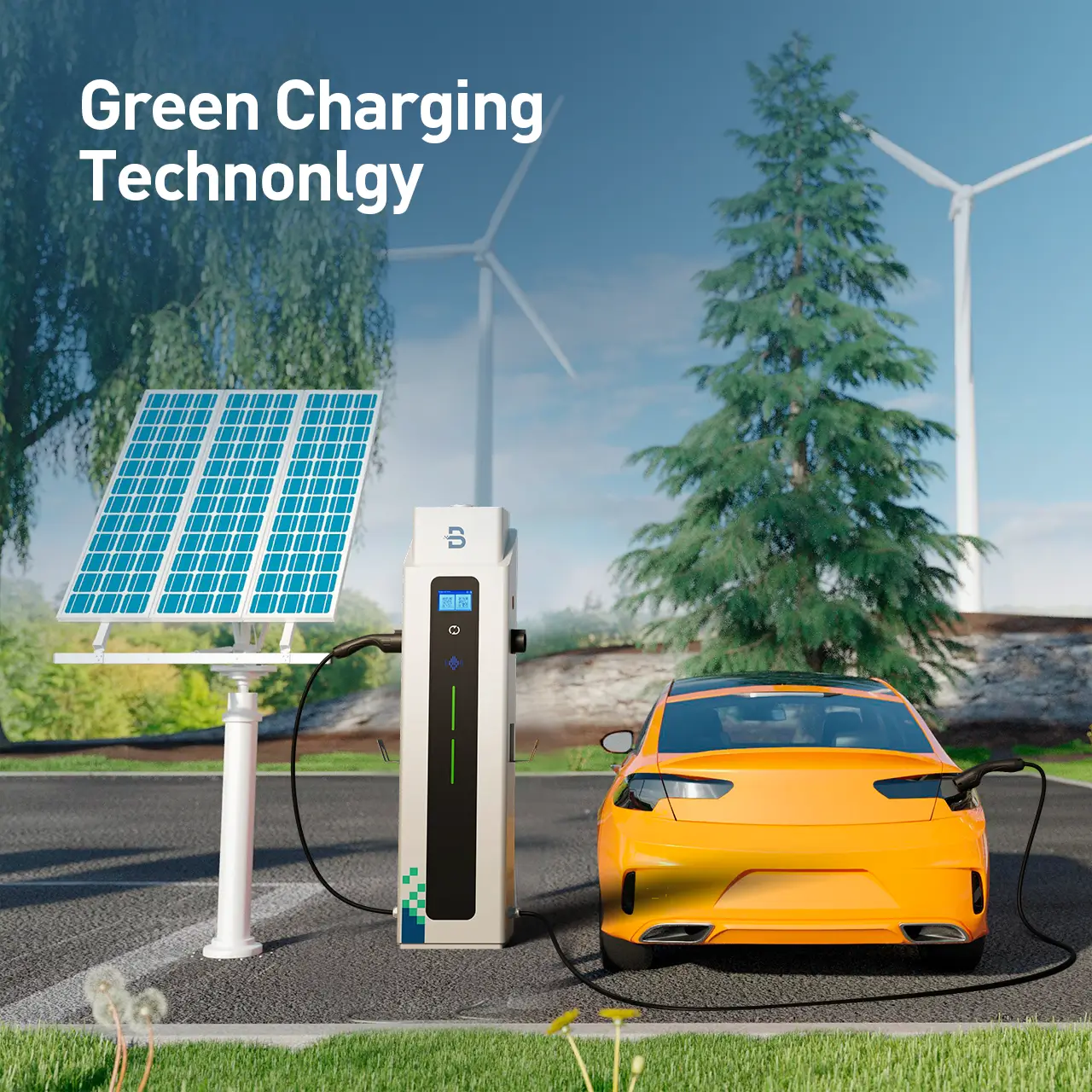
Compare integrated and separate charging-and-storage packages by their delivery responsibilities, interfaces and acceptance evidence. A compact enclosure does not automatically create one accountable supplier. Separate cabinets do not automatically create an integration problem. The useful question is who must demonstrate that the complete installation delivers the agreed service.
A battery energy storage system, or BESS, and a vehicle charger perform different functions even when packaged together. Buyers should trace those functions through the quotation, installation and service agreement before choosing an architecture.
Start with the same required service
Give both proposals the same charging task: the vehicles to serve, their arrival pattern, the permitted supply boundary and the intended recovery periods. State whether the project needs only grid-connected charging or another specifically designed operating mode.
Then compare the proposed solution against that task. Cabinet power, battery energy and connector count describe different parts of the system. Neither the word “integrated” nor an enclosure photograph proves repeated charging performance, outage operation or vehicle compatibility.
Use the equipment groups in EVB’s combined charging and storage solution to divide both quotations into grid connection, battery, charging and control scopes. Put a named supplier beside each scope, then identify the party responsible for demonstrating the combined service.
Draw the equipment boundary in each quotation
Ask what is supplied inside each package and what must be purchased elsewhere. Include the charger, battery, conversion equipment, controls, metering, communications, supporting electrical equipment and required site work.
For an integrated proposal, clarify which parts are factory assembled and which connections remain site work. For a separate proposal, identify the interfaces between the charger supplier, storage supplier and installation contractor. “Complete system” needs a written list of inclusions and exclusions.
Check the physical requirements as well. A compact package still needs a suitable location, service access and a route for installation. Separate cabinets may provide layout flexibility but can introduce additional routes and connections. The actual drawings and equipment instructions should settle those differences.
Name the party responsible for the combined controls
Someone must coordinate vehicle demand, battery recharge and discharge, and the assessed supply limit. Ask who develops that sequence, supplies the necessary measurements and resolves conflicting instructions.
An integrated supplier may take this role, but confirm it in the contract. With separate suppliers, appoint an integrator with a defined responsibility. Otherwise each supplier can show that its own equipment works while the site-level control behaviour remains untested.
Keep charger-to-platform communication separate from energy control. A charging unit appearing online does not demonstrate that a storage controller receives the right measurements or that the site respects its import boundary.
Compare a problem through both service routes
Imagine an illustrative site where charging becomes slower after several busy sessions. The possible causes include depleted usable storage, limited recharge time, a temperature limit or a vehicle constraint. The enclosure arrangement alone does not identify which party should investigate.
For each proposal, ask who receives the first service request, which records they can access and who coordinates the diagnosis. Clarify access to battery records and charger session records, including whether they use matching clocks and equipment identifiers.
Also ask whether replacing one component affects another supplier’s support obligations. Record the warranty boundaries and the process for approving substitutions. Do not infer a whole-system warranty merely because several components share a brand or one purchase order.
Accept the complete arrangement against the agreed task
Request an acceptance plan that covers the system interfaces, the charging task and battery recovery, as well as the necessary electrical checks. It should name the party responsible for each result and the person who owns unresolved combined-system issues.
The handover should contain the equipment list, drawings, control sequence, operating limits, monitoring access and service contacts. Keep proposed performance separate from witnessed results.
An integrated package may simplify some interfaces. A separate arrangement may make some components easier to locate or replace. Those are matters to establish from the actual proposals. Choose the arrangement with a clear, supportable scope and a credible route to demonstrating the service the site needs.